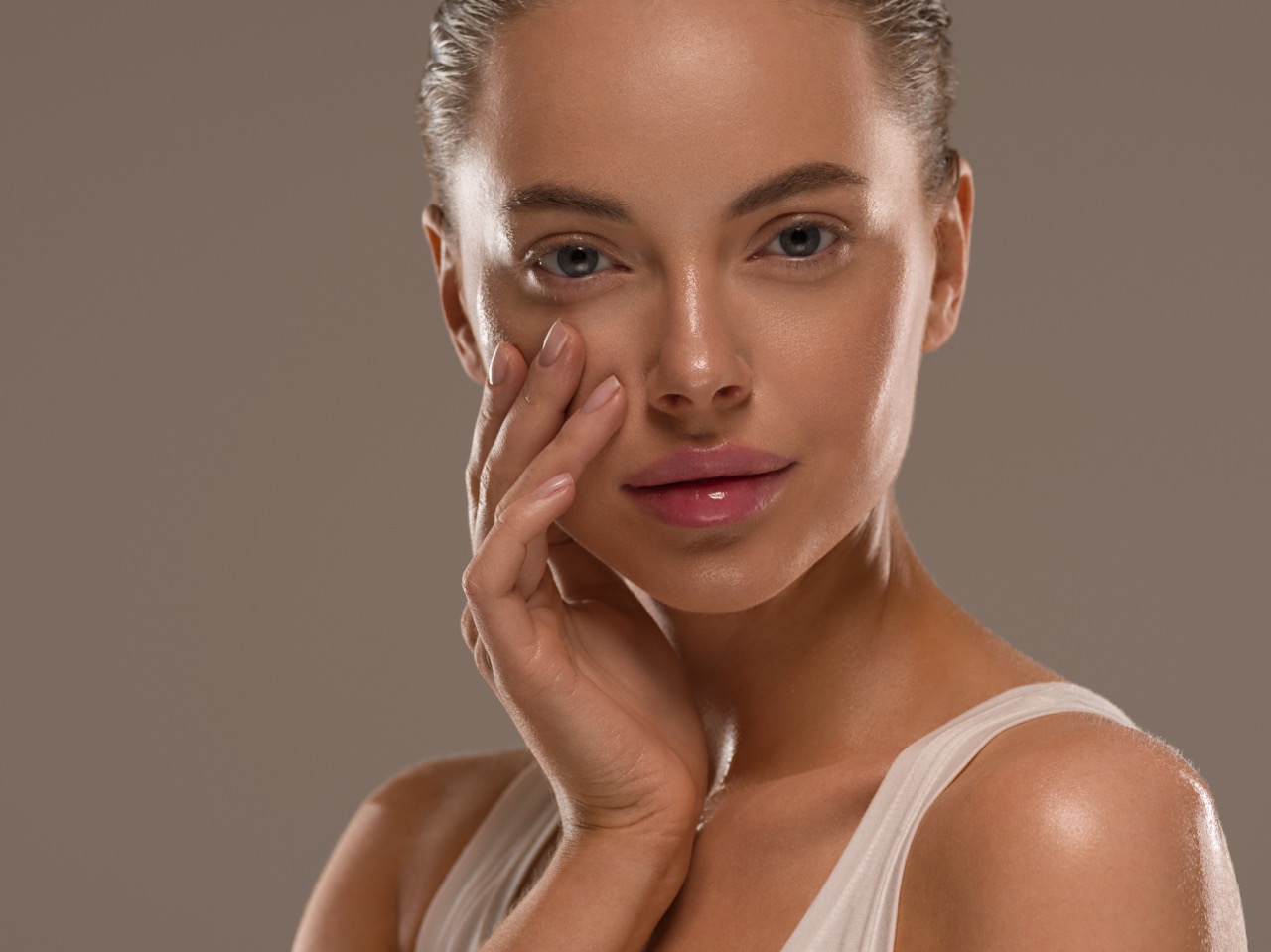
Facial aging is personal. Changes in skin, tissue position, volume, and definition can gradually alter the way you look—even when you still feel vibrant and energized.
At Dr. Silhouette Aesthetics, facial rejuvenation is approached with an emphasis on balance, proportion, and preserving the features that make you recognizable. Whether your goals involve lifting, refining, or restoring definition, treatment is customized to help you look refreshed rather than noticeably “done.”
Facial procedures are never one-size-fits-all. The right treatment depends on where changes are occurring, the quality of your skin and underlying tissues, your facial anatomy, and how much, or how little, you want to change.
Changes around the eyelids or brows can make your expression appear tired even when you feel well rested. Targeted procedures can refresh the eye area while maintaining your natural character.
Jowling, loose skin, and diminished jawline or neck definition may benefit from procedures designed to reposition and refine underlying tissues.
A lowered brow position or changes through the forehead can affect the balance of the upper face and contribute to a heavier expression.
Excess eyelid skin or fullness beneath the eyes can create a tired appearance. Eyelid surgery can selectively refine these areas for a more rested look.
Rhinoplasty can refine the size, shape, or proportions of the nose to create greater harmony with the surrounding facial features.
A facelift repositions facial tissues to improve visible sagging, jowling, and loss of definition through the lower face and jawline. Modern techniques can address deeper supporting structures rather than relying on skin tension alone, allowing treatment to be customized around your anatomy and degree of facial aging.
Good to know:
A facelift primarily addresses tissue laxity and position. Volume loss, skin texture, pigmentation, or fine surface lines may benefit from complementary treatments rather than facelift surgery alone.
A facelift may be ideal if you have developed jowling, lower-face sagging, or reduced definition along the jawline and want a more comprehensive approach than nonsurgical treatments can provide.
It’s especially well suited for patients seeking structural facial rejuvenation while preserving their natural features.
Facelift incisions are strategically positioned around the ear, hairline, and natural facial contours whenever possible. Scars mature gradually over time, and their final appearance depends on surgical technique, incision placement, skin characteristics, and individual healing.
Facelift results are long lasting, but surgery does not stop the natural aging process. Skin quality, genetics, lifestyle, weight changes, and ongoing aging all influence how your appearance evolves over time.
The goal of modern facial rejuvenation is to restore position and definition while preserving your natural features. Your surgeon will tailor the degree and direction of correction to your anatomy rather than simply tightening the skin.
Yes. Depending on your concerns, a facelift may be combined with a neck lift, eyelid surgery, brow lift, fat transfer, or other complementary treatments for a more comprehensive result.
Tightness, swelling, tenderness, and temporary numbness are common during early healing. Discomfort generally improves as recovery progresses, and your surgeon will provide a personalized postoperative pain-management plan.
Create greater continuity between the face, jawline, and neck
Refresh the eye area as part of comprehensive facial rejuvenation
Refine the upper face and brow position
A neck lift improves visible signs of aging beneath the chin and through the neck by addressing loose skin, underlying tissue, and, when appropriate, prominent platysma muscle bands. Treatment is customized to create smoother transitions from the jawline through the neck while maintaining natural movement and proportion.
Good to know:
Neck aging can result from a combination of skin laxity, fat distribution, muscle changes, and facial anatomy. Your surgeon will determine which structures need to be addressed to achieve the most balanced result.
A neck lift may be ideal if loose skin, vertical neck bands, or diminished definition beneath the chin has created a disconnect between your neck and the rest of your facial features.
It’s especially well suited for patients seeking a cleaner, more defined transition between the jawline and neck.
Upper eyelid incisions are typically positioned within the natural eyelid crease. Lower eyelid surgery may use an incision near the lash line or, in appropriate cases, inside the lower eyelid. Scar visibility varies with technique and individual healing.
Contact lenses may need to be avoided temporarily while the eyes heal. Your surgeon will let you know when it is appropriate to resume wearing them based on your recovery.
Temporary dryness, irritation, or sensitivity can occur after blepharoplasty. Lubricating ointments or drops may be recommended during recovery, particularly for patients who are already prone to dry eyes.
Yes. When both areas contribute to an aged or tired appearance, upper and lower blepharoplasty may sometimes be performed during the same surgical plan.
Patients may experience tightness, tenderness, irritation, swelling, or bruising during early healing. The intensity varies, but significant pain is not typically the defining feature of blepharoplasty recovery.
Create a more continuous face-and-neck rejuvenation
Address localized fullness beneath the chin when appropriate
Refresh the eye area alongside lower-face rejuvenation
Eyelid surgery, or blepharoplasty, refines excess skin and fullness around the upper or lower eyelids to create a more rested, refreshed appearance. Treatment can be tailored to the upper lids, lower lids, or both, depending on where aging or hereditary changes are affecting the eye area.
Good to know:
Not every heavy-looking upper eyelid is caused by eyelid skin alone. Brow position and surrounding facial anatomy can also contribute, which is why your surgeon will evaluate the entire upper face before recommending treatment.
Eyelid surgery may be ideal if excess eyelid skin, puffiness, or under-eye bags make your eyes appear more tired or aged than you feel.
It’s especially well suited for patients seeking focused rejuvenation that refreshes the eyes without changing their natural expression.
Upper eyelid incisions are typically positioned within the natural eyelid crease. Lower eyelid surgery may use an incision near the lash line or, in appropriate cases, inside the lower eyelid. Scar visibility varies with technique and individual healing.
Contact lenses may need to be avoided temporarily while the eyes heal. Your surgeon will let you know when it is appropriate to resume wearing them based on your recovery.
Temporary dryness, irritation, or sensitivity can occur after blepharoplasty. Lubricating ointments or drops may be recommended during recovery, particularly for patients who are already prone to dry eyes.
Yes. When both areas contribute to an aged or tired appearance, upper and lower blepharoplasty may sometimes be performed during the same surgical plan.
Patients may experience tightness, tenderness, irritation, swelling, or bruising during early healing. The intensity varies, but significant pain is not typically the defining feature of blepharoplasty recovery.
Refresh the eyes within a broader facial rejuvenation plan
Address brow position when it contributes to upper-eye heaviness
Restore balance when aging includes volume loss as well as eyelid changes
A brow lift repositions the brow and forehead tissues to create a more open, refreshed appearance through the upper face. Different surgical approaches, including endoscopic, temporal, and open techniques, allow treatment to be customized according to brow position, hairline, anatomy, and the degree of correction needed.
Good to know:
Brow position and eyelid appearance are closely connected. In some patients, heaviness around the upper eyes is partly caused by a lowered brow, making a full upper-face evaluation important before choosing a procedure.
A brow lift may be ideal if your brow position has descended over time and contributes to a heavier, tired, or less open appearance through the upper face.
It’s especially well suited for patients seeking a refreshed brow position that remains balanced with their natural expression.
Scar location depends on the surgical technique. Endoscopic approaches use several shorter incisions within the scalp, while open or temporal techniques use different incision patterns around or within the hairline. Your surgeon will choose an approach suited to your anatomy and goals.
Yes. When both brow position and eyelid skin contribute to a heavy upper-eye appearance, combining procedures may provide a more balanced result.
Your procedure is planned around your existing brow shape, facial proportions, and desired amount of elevation. The goal is a refreshed position that complements your features rather than an exaggerated or surprised appearance.
A brow lift can provide long-lasting improvement, although the natural aging process continues. Skin quality, genetics, brow anatomy, and lifestyle all influence how the upper face changes over time.
Tightness, swelling, bruising, temporary numbness, or scalp sensitivity may occur during recovery. These changes generally improve as healing progresses.
Create a more complete upper-face refresh
Incorporate brow refinement into comprehensive facial rejuvenation
Address complementary concerns such as expression lines or skin quality
Rhinoplasty reshapes the nose to improve its proportion and relationship with the rest of the face. Depending on your anatomy and goals, surgery may refine the bridge, tip, nostrils, width, projection, or overall nasal shape. In appropriate cases, structural concerns contributing to impaired breathing can also be addressed.
Good to know:
Rhinoplasty is a procedure of millimeters. The goal is not to create a standardized “perfect” nose, but to make carefully planned changes that improve balance while preserving the characteristics that belong naturally to your face.
Rhinoplasty may be ideal if you want to refine features of your nose that feel out of balance with the rest of your face, correct changes from previous injury, or address certain structural concerns affecting nasal breathing.
It’s especially well suited for patients seeking thoughtful refinement rather than a completely different-looking nose.
The goal of rhinoplasty is to improve proportion and facial harmony rather than create a one-size-fits-all nasal shape. Your surgeon will plan treatment around your existing anatomy, facial features, and aesthetic priorities.
It can when breathing difficulty is caused by structural problems within the nose. Functional nasal surgery requires careful evaluation of the airway, septum, and surrounding structures to determine what correction is appropriate.
Visible swelling generally improves substantially during the first several weeks, but the nose can retain subtle swelling much longer than many other areas of the face. Final refinement may take up to a year or, in some cases, longer.
Yes, when that is your goal. Rhinoplasty should be individualized to your anatomy, facial proportions, cultural identity, and aesthetic preferences rather than based on a single idealized nose shape.
Congestion, pressure, tenderness, swelling, and bruising are common during early recovery. Your surgeon will provide a personalized plan for medication, nasal care, activity, and positioning as you heal.
Improve overall facial balance when profile proportions would benefit
Refresh another focal area of the face within a customized plan
Coordinate nasal refinement with other procedures when appropriate
Every face is different, and meaningful facial rejuvenation begins with understanding your anatomy rather than choosing a procedure from a menu. Schedule a private consultation to discuss what you would like to change, explore your options, and receive personalized recommendations from your surgeon.
Your consultation is the best place to start. Your surgeon will evaluate your facial anatomy, tissue quality, areas of concern, health history, and desired outcome to recommend the procedure—or combination of procedures—best suited to you.
Yes. Facial aging often affects several interconnected areas, so combining procedures may sometimes create a more balanced result than treating one feature in isolation. Your surgeon will determine whether combining treatments is appropriate for your health and goals.
Your consultation is a personalized conversation about what you notice, what you would like to change, and what you want to preserve. You’ll have the opportunity to discuss surgical and nonsurgical options, recovery, scarring, risks, and expected outcomes.
Every surgical procedure carries risks. Your surgeon will review the risks, benefits, alternatives, and considerations specific to your procedure and medical history so you can make an informed decision.
Pricing depends on the procedure, surgical complexity, and whether multiple treatments are combined. You’ll receive personalized pricing after your consultation and treatment plan are established.
Healing timelines differ substantially by procedure. Some improvements become apparent within weeks, while swelling, scar maturation, and tissue settling may continue for several months. Rhinoplasty in particular can continue refining for a year or longer.
Doctor Silhouette Aesthetic Surgery provides personalized cosmetic and aesthetic care focused on natural-looking, balanced results. Led by Dr. Luisangel Rondón, MD, FACS, the practice combines advanced surgical techniques with thoughtful, individualized treatment planning to help each patient look and feel their best.
* Sign up now to get daily latest news & update from us.
Copyright © 2026 Doctor Silhouette | Website designed and powered by Medical Marketing Whiz